 Expert Irrigation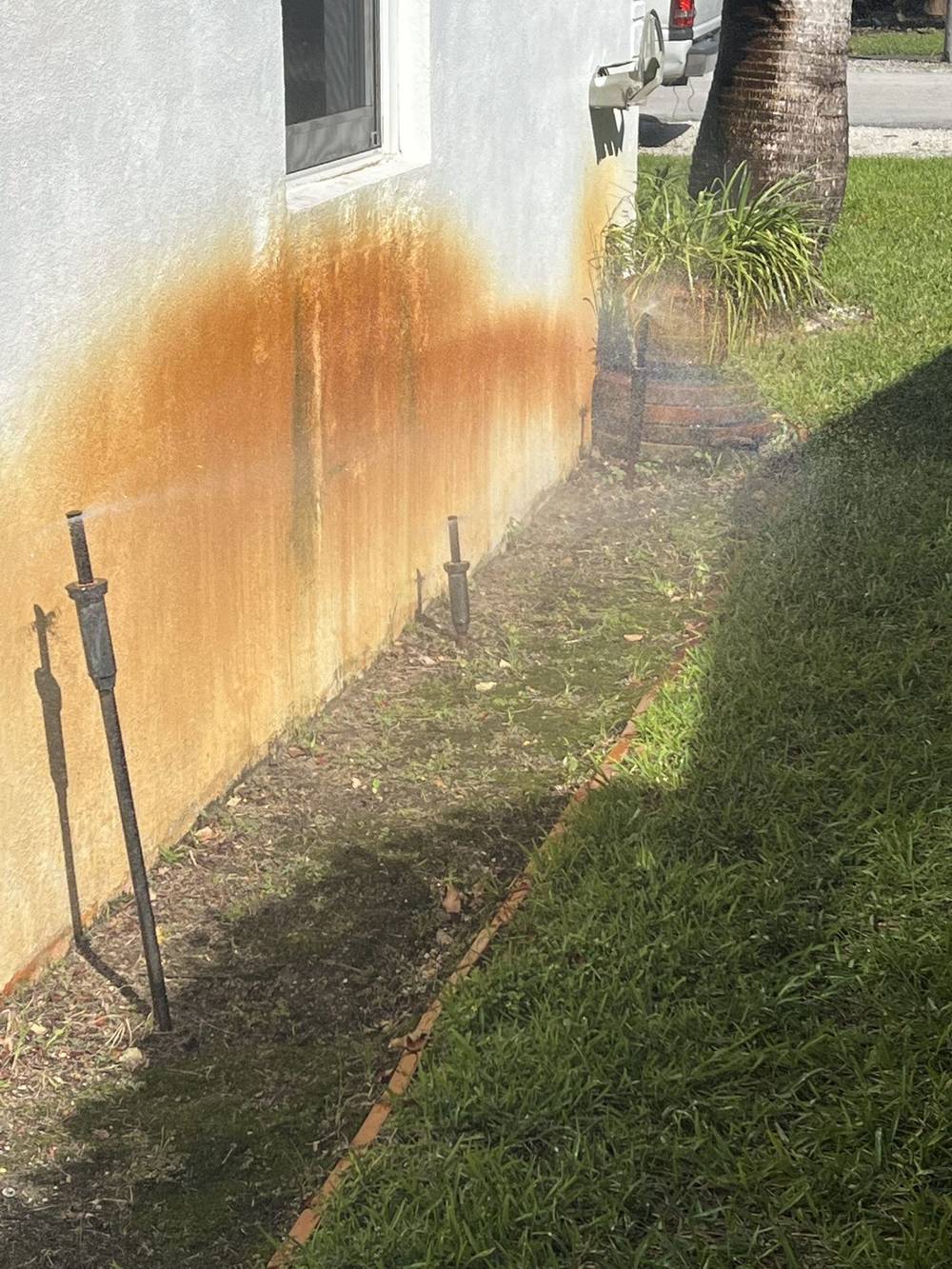
Pompano Beach runs two water treatment plants — one lime softening, one membrane — though some addresses inside city limits are actually served by Broward County Water instead. The city publishes a service map. What makes Pompano genuinely different from its neighbors, though, is OASIS.
If you are an OASIS reuse customer, your schedule is different
Pompano Beach operates OASIS, a reclaimed water program fed from the Broward County North Regional Wastewater Treatment Facility and further treated at the city's own reuse plant. It also serves Lighthouse Point. OASIS customers may irrigate any day of the week — the two-day restriction does not apply to you. You still cannot water between 10 a.m. and 4 p.m. That is a meaningful scheduling advantage, and we program OASIS-connected systems to use it rather than leaving them on a restricted schedule they do not need.
A warning about the city's own handout
There is a PDF irrigation schedule still linked from the city's site showing a three-day-a-week schedule with odd addresses on Sunday, Tuesday and Thursday. It is out of date and it contradicts the city's own current web page, the county ordinance, and state rules. If someone hands you that sheet, disregard it. The current schedule is two days: odd addresses Wednesday and/or Saturday, even addresses Thursday and/or Sunday, never between 10 a.m. and 4 p.m.
Coastal wells and salt
East Pompano and the beach-side neighborhoods share Fort Lauderdale's saltwater intrusion picture. A shallow well that was fresh decades ago may not be now, and irrigation water above roughly 70 ppm chloride starts burning ornamentals and corroding pump internals and brass valve bodies. Salt air also shortens the life of anything metal mounted outdoors — pump housings, pressure switches, controller enclosures, backflow assemblies. We specify 316 stainless where it matters and keep controllers shaded and elevated.
Enforcement
Violations are handled by city Code Enforcement at 954-786-4361. The city also calls out the state rain sensor requirement explicitly — a working rain shutoff device is mandatory on automatic systems under Florida Statute 373.62, and most of the ones we find in the field are long dead.