 Expert Irrigation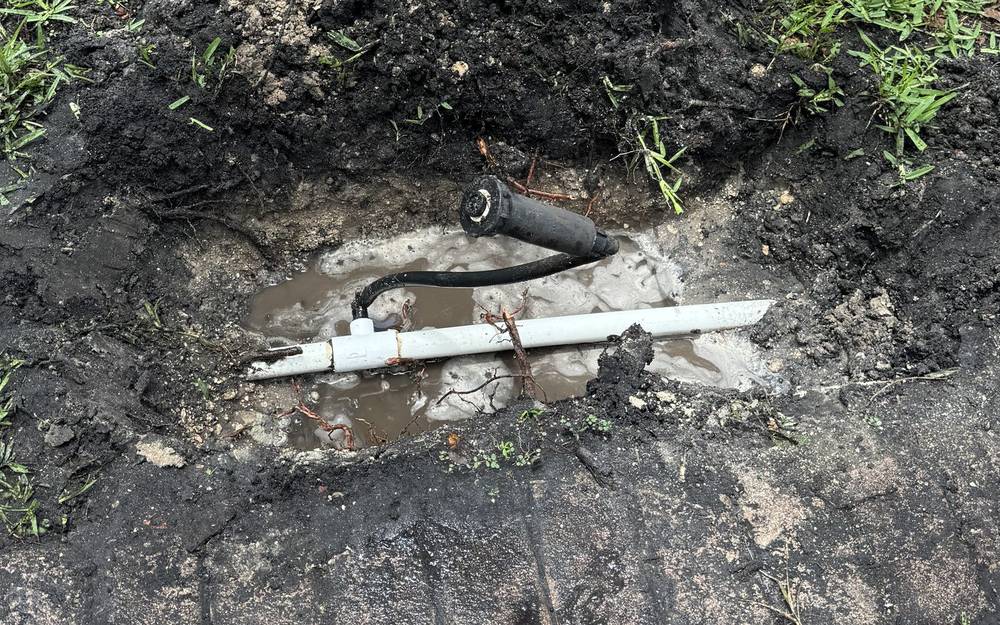
Most irrigation companies advertise free estimates. We used to as well. Here is the problem with it, said plainly: a free estimate is not free — it is paid for by the customers who do hire you, in the form of higher prices. We would rather charge a fair, fixed fee for the actual work of diagnosing your system, and credit every dollar of it back when you go ahead.
The $89 diagnostic visit
We come out, test every zone, check the controller and the rain sensor, look at your water source, and find out what is actually wrong. Then you get a firm written price for the repair before anything is touched.
| What it costs | $89, paid when you book |
| If you go ahead with the repair | The full $89 comes off your total. The diagnosis costs you nothing. |
| If you decide not to | You keep the written findings and owe nothing further. No pressure, no follow-up calls. |
| New systems and added zones | Still quoted free on site — those are measured, not diagnosed. |
Why we do it this way
A dead zone can be a forty-dollar solenoid or a lateral crushed by ficus roots under a paver walkway. Those look identical from the street and they are not the same job. Anyone who quotes you a repair price over the phone or off a web form is guessing — and a guess only goes one of two ways. Either they padded it to protect themselves, or they lowballed it and the number changes once they are on their knees in your yard.
Charging for the diagnosis means we can take the time to get it right, and it means the people who call us are people who actually want the work done. That keeps our schedule open for real repairs instead of driving Broward giving away afternoons.
What repairs actually run
Every job is priced from what we find, but the shape of it is predictable. Head and nozzle replacements are the low end and usually finish in one visit. Valve and solenoid work sits in the middle. Broken laterals depend entirely on depth and what is on top of them — a line in open turf is straightforward, the same line under a paver driveway is not. Pump and well work is the widest range, because a well that lost pressure gradually often needs redevelopment rather than a new pump, and that is a much better outcome for you.
You get the number before we start. It does not change unless we find something underneath that neither of us could see, and if that happens we stop and talk to you first.
Things that legitimately cost more here
Broward sits on limestone caprock, often only twelve to twenty-four inches down. When a line or a valve is seated in rock, the work is slower and sometimes needs different tools. Coastal properties add another factor — salt air means we specify 316 stainless rather than 304 where it matters, which costs more up front and considerably less over ten years.
One thing we would rather tell you for free
Before you book anything for brown patches, part the grass at the edge of a patch and look into the thatch. Southern chinch bug runs seven to ten generations a year in South Florida and its damage looks exactly like drought stress — it is the single most common misdiagnosis in St. Augustine lawns. If you find insects, you need a lawn treatment company, not an irrigation company. Call us and we will tell you that on the phone. Costs us a job, saves you one.